
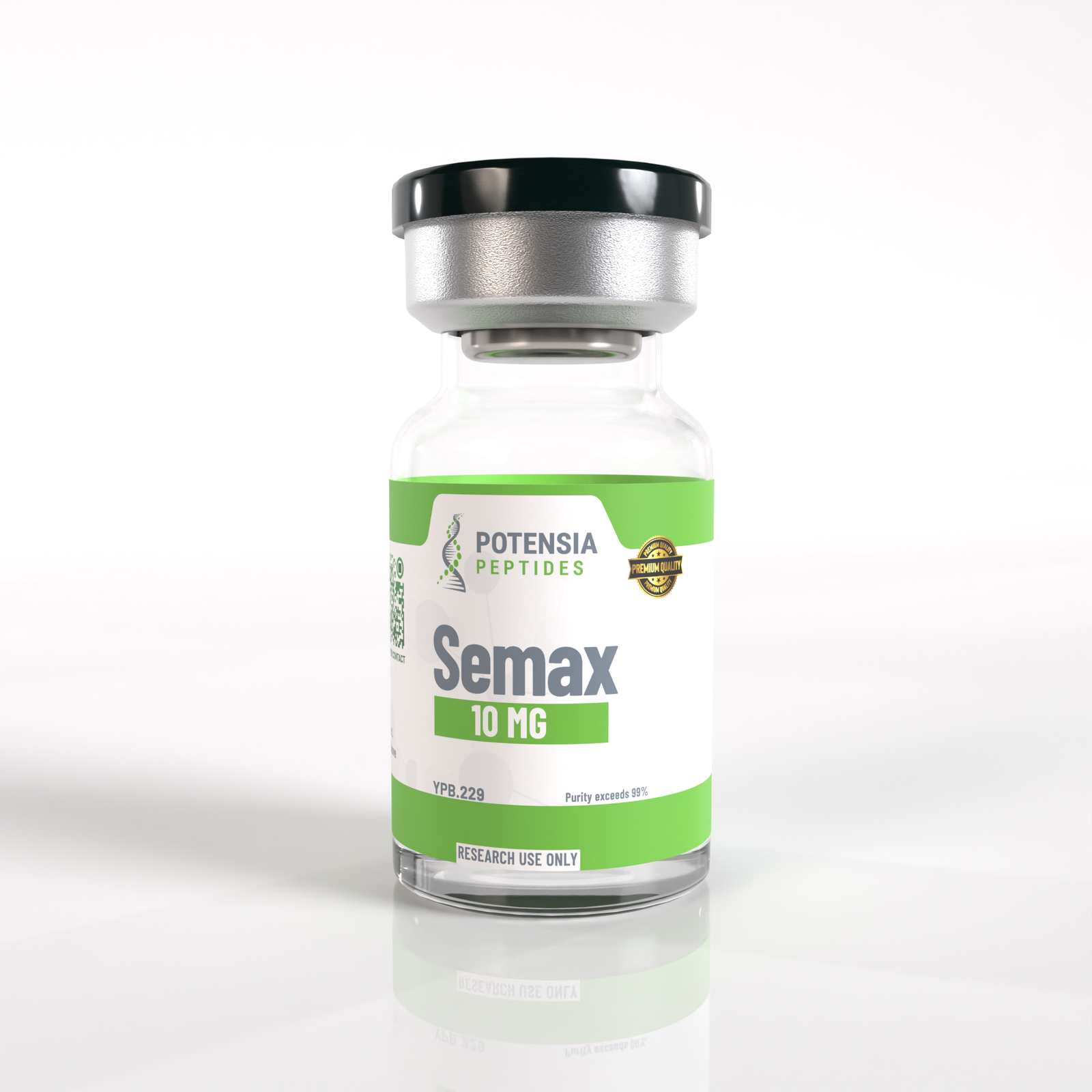
SEMAX (Selumetinib) 10MG – Research-Use-Only Peptide Derivative
SEMAX is a selective MEK1/2 inhibitor derived from the small-molecule drug selumetinib, commonly used in oncology research. This compound investigates its potential mechanisms of action in studies involving cell signaling pathways, particularly those involving the MAPK/ERK pathway. Below are key details relevant to its research application.
Research Context
Selumetinib has been extensively studied as an anticancer agent, primarily targeting MEK1/2, which are critical kinases in the mitogen-activated protein kinase (MAPK) signaling pathway. This pathway regulates cellular processes such as proliferation, differentiation, and survival. In research settings, SEMAX serves as a valuable tool for dissecting the role of MEK inhibition in various cellular and molecular studies. It has been used in preclinical models to explore effects on tumor growth, apoptosis, and metabolic adaptations.
Research Overview
SEMAX is typically employed in in vitro and in vivo research to assess the impact of MEK inhibition on downstream signaling cascades. Its use is not intended for therapeutic, diagnostic, or cosmetic applications. The compound’s research application includes the examination of:
- Cellular responses to growth factor stimulation and stress signals
- Role of MEK in cancer progression and metastasis
- Combined treatment strategies with other inhibitors or drugs
- Genetic and epigenetic modulation of MAPK signaling pathways
While preclinical data have demonstrated its utility, the compound must be handled with appropriate caution in accordance with established laboratory safety protocols.
Key Research Focus Areas
-
MAPK Pathway Analysis: SEMAX is a potent inhibitor of MEK1/2, providing insights into how downstream targets, including ERK1/2, are affected in various cellular contexts. Researchers investigate its ability to disrupt proliferative signaling in both normal and transformed cells.
-
Cancer Biology Studies: The compound has been studied in models of solid tumors, such as melanoma, lung cancer, and neuroblastoma, to evaluate its potential for anti-tumor activity. Research often focuses on mechanisms of resistance and compensatory pathways that may emerge upon prolonged treatment.
-
Metabolic and Energy Homeostasis: MEK inhibition has implications for cellular metabolism, and SEMAX has been investigated in studies exploring its effects on mitochondrial function, glucose metabolism, and autophagy. These studies aim to elucidate broader implications for non-oncological research.
-
Combination Therapeutics: SEMAX is frequently used in combination with other inhibitors (e.g., BRAF inhibitors, PI3K inhibitors) to examine synergistic effects on cell viability or drug resistance. This research is critical for developing multi-targeted therapeutic strategies.
-
Genetic and Epigenetic Studies: The compound allows researchers to study the effects of MEK inhibition in cells with engineered mutations in KRAS, BRAF, or other signaling nodes. This helps identify context-dependent vulnerabilities and compensatory mechanisms.
It is essential to note that SEMAX is intended solely for use in research settings under the supervision of qualified professionals. Handling this material requires adherence to appropriate laboratory safety guidelines, including proper ventilation, protective equipment, and waste disposal procedures.
Compliance Disclaimer
SEMAX 10MG is provided for research purposes only. It is not intended for human or animal consumption. The product must be used in accordance with applicable regulatory guidelines and institutional biosafety protocols. Research institutions should verify that all personnel are authorized to handle pharmaceutical-grade compounds and that all necessary permits and documentation are in place. Failure to comply with these guidelines may result in legal or regulatory consequences.
For research use only. Not for human or animal consumption.
Reviews
There are no reviews yet.